From Accidents to Advocacy
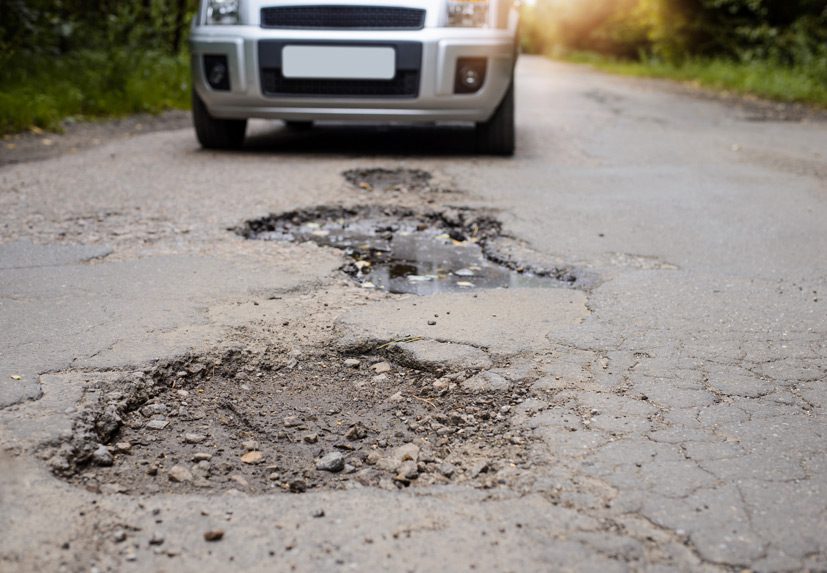
Road conditions play a significant role in contributing to accidents in Nevada, posing risks to motorists, pedestrians, and cyclists alike. Various factors, such as weather, infrastructure, and maintenance, can impact road safety and increase the likelihood of accidents.
Common Road Conditions Leading to Accidents
Adverse Weather: Nevada experiences diverse weather conditions, including rain, snow, fog, and high winds, which can reduce visibility and traction, making roads slippery and hazardous for drivers. Poor weather conditions increase the risk of accidents, particularly on highways and mountainous terrain.
Potholes and Cracks: Damaged road surfaces, such as potholes, cracks, and uneven pavement, can cause vehicles to lose control, swerve unexpectedly, or sustain damage to tires and suspension systems, leading to accidents.
Lack of Signage: Inadequate or unclear signage, including missing road signs, faded lane markings, or insufficient warnings for curves, intersections, or hazards, can confuse drivers and increase the risk of collisions.
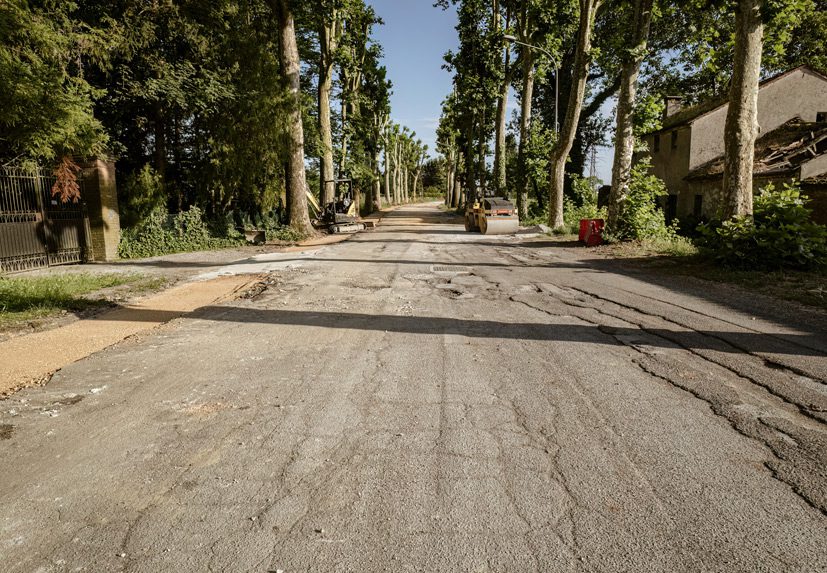
Construction Zones: Road construction and maintenance activities create temporary hazards for motorists, such as narrowed lanes, reduced visibility, uneven surfaces, and changes in traffic patterns. Failure to implement proper signage and traffic control measures in construction zones can lead to accidents.
Poor Lighting: Inadequate lighting on roads, particularly in rural areas or at night, reduces visibility for drivers, pedestrians, and cyclists, increasing the risk of accidents, especially at intersections, pedestrian crossings, and dark stretches of road.
Case Results
FAQs About Road Conditions and Accidents in Nevada
What should I do if I'm involved in an accident caused by dangerous road conditions in Nevada?
If you're involved in an accident caused by dangerous road conditions in Nevada, prioritize safety by moving to a safe location if possible and contacting emergency services for assistance. Document the scene by taking photos or videos of the road conditions, gather witness statements, and exchange information with other parties involved. It's crucial to report the accident to the appropriate authorities and consult with a personal injury attorney who can assess your case and help you pursue compensation for your injuries and damages.
Who is liable for accidents caused by dangerous road conditions in Nevada?
Liability for accidents caused by dangerous road conditions in Nevada may rest with various parties, including government entities responsible for road maintenance, construction companies, or other entities tasked with ensuring road safety. Determining liability requires a thorough investigation of the circumstances surrounding the accident and identifying any negligent parties responsible for the unsafe road conditions.
Testimonials