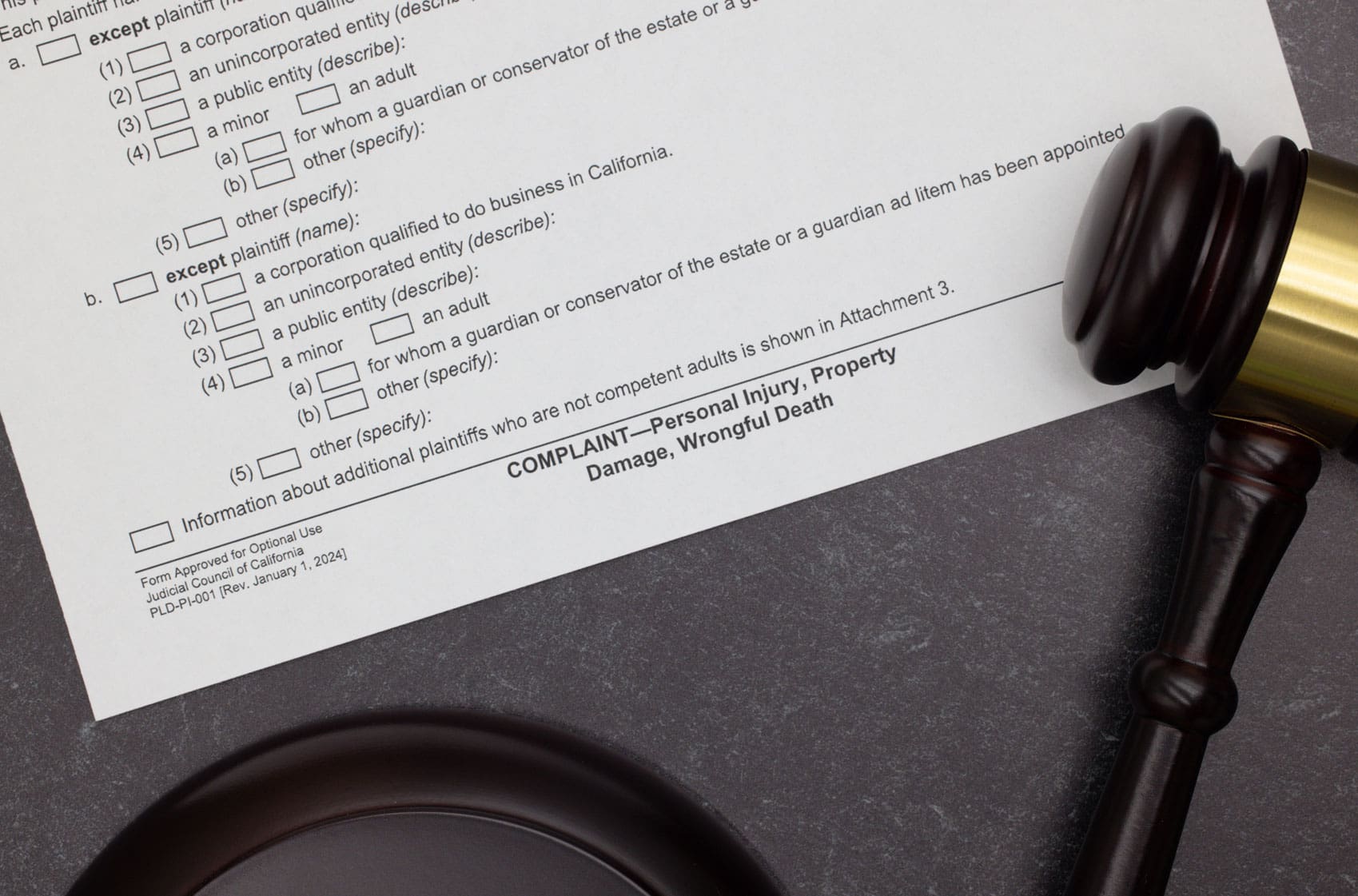
At some point in many injury cases, an injured person faces a choice between accepting a settlement and taking the case to trial. Each path has advantages and drawbacks, and the right choice depends on the circumstances. Understanding the considerations involved helps injured people approach this decision thoughtfully rather than feeling pressured in one direction or the other. The comparison is less about which is better in general and more about which fits a particular situation. The right choice depends on the particulars of a case and on what matters most to the person making it. Understanding the trade-offs helps that decision feel less daunting.
What Settlement Offers
A settlement is an agreement to resolve a claim without a trial. It provides certainty, because both sides agree on the outcome rather than leaving it to a judge or jury. Settlement also tends to be faster and less costly than trial, and it brings the matter to a close on known terms. For many injured people, the predictability and resolution that a settlement offers make it an appealing option, particularly when a fair figure can be reached.
The Case for Trial
Trial exists for situations where a fair settlement cannot be reached. If the other side refuses to offer a reasonable amount, or disputes responsibility in a way that negotiation cannot resolve, taking the case to trial may be the path to a fair result. A trial allows the evidence to be presented and the outcome to be decided by a neutral party. While it carries more uncertainty, trial provides a way forward when settlement negotiations stall.
Weighing Certainty Against Potential
One of the central tensions in this decision is between certainty and potential. A settlement offers a known outcome, while a trial offers the possibility of a different result, better or worse. Some injured people prefer the security of a settlement, while others are willing to accept uncertainty for the chance of a fuller recovery. Neither preference is wrong. The right balance depends on the strength of the case and the person’s own tolerance for risk.
Time, Cost, and Emotional Toll
Practical considerations weigh heavily in this choice. Trials take longer and can be more expensive and demanding than settlements. The process can be stressful, requiring the injured person to relive the events and participate in proceedings over an extended period. A settlement avoids much of this. For some, the time and emotional cost of a trial are significant factors, while for others the potential benefit justifies them. These realities are part of the calculation.
The Role of the Strength of the Case
The strength of a case often shapes the decision. A case with clear liability and well-documented losses may command a strong settlement, reducing the need for trial. A case with disputed facts may be more likely to require trial to reach a fair result, though it also carries more risk. Honestly assessing the strength of the evidence helps an injured person understand which path is more likely to serve their interests.
Resolution During Litigation
Choosing to file a lawsuit does not necessarily mean a case will reach a trial. Many cases that enter litigation still resolve through settlement before a trial takes place. The litigation process itself, including the exchange of information during discovery, can clarify the strengths and weaknesses of each side’s position and open the door to a reasonable resolution. This means the decision to file a lawsuit and the decision to settle are not always at odds. Understanding that a case can settle even after litigation begins helps injured people see these paths as part of a continuum rather than a single, final fork.
Making a Considered Decision
The choice between settling and going to trial is an important one, and it deserves careful thought. Certainty, time, cost, emotional toll, and the strength of the case all factor into the decision. Understanding these considerations allows injured people to weigh their options in light of their own circumstances and priorities, arriving at a choice that reflects what matters most to them rather than a decision made under pressure.